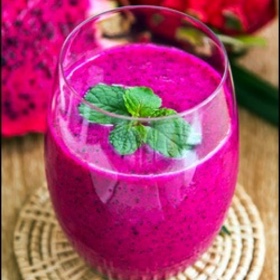
Pitaya (Dragon Fruit) Smoothie
Drink - non-alcoholic
Ingredients
Flesh of one dragon fruit
1 cup banana
1 cup coconut water
1 ″ ginger nub water
Notes
You can also eat the pitaya by itself. To prepare a pitaya:
Cut the fruit in half, lengthwise.
Using a large spoon, scoop out the pitaya’s flesh.
Trim away any extra inedible skin.
Cut into cubes and eat or use in smoothies or fruit salads.
Nutrition
Dragon Fruit Nutrition
Grown in California, Central and South America, and Southeast Asia, Pitaya is the fruit of a cactus plant. Nutrition for the dragon fruit includes:
60 calories per 100 gram serving
1 gram of fiber per serving
9 grams of carbohydrates per serving
The fruit’s edible seeds contain heart healthy monounsaturated fats and omega-3 fatty acids.
Studies show dragon fruit is a significant source of antioxidants, which can prevent free radical damage that can lead to premature aging and disease.
The fruit is high in many important micronutrients such as vitamin C, calcium, and vitamin A.
Pitaya Health Benefits
There are interesting studies featuring this exotic fruit, which show that pitaya may have other health benefits, as well.
One study showed that dragon fruit had a notable impact on oxidative stress and aortic stiffness in diabetic rats, suggesting the fruit may be beneficial at preventing complications associated with diabetes.
The same study indicates regular consumption of dragon fruit may lower the risks of developing heart disease and developing high blood pressure.
Dragon fruit is high in antioxidants. Studies show that antioxidants may be effective at lowering risk of certain types of cancer.
The seeds contain omega-3 fats. A great deal of research shows that omega-3 fatty acids can fight inflammation and autoimmune diseases.
Because of its nutritional makeup, including antioxidants, monounsaturated fats, vitamins, minerals, enzymes, and fiber, pitaya is a beauty-enhancing fruit.